Composting in winter.
Winter production of organic fertilizer is not an easy thing for medium and small-sized organic fertilizer enterprises. Facing the change of weather, enterprises are also in a state of worry, which is also an unsatisfactory production season. Because of the cold weather in winter, the temperature is relatively low, and low temperature is harmful to organic fertilizer fermentation, so what matters should be paid attention to in winter production of organic fertilizer? Here’s how it works.
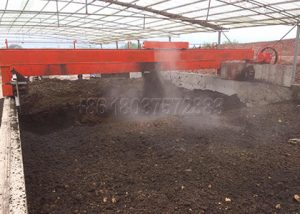
Matters needing attention for organic fertilizer production in winter.
Harm of low temperature: when the general ambient temperature of organic fertilizer equipment is about 10 ℃, the activity of specific microorganisms slows down. When the temperature continues to drop below 5 ℃, the specific microorganisms basically stop growing. At this time, if the environmental temperature is not raised by artificial methods, the organic material decomposition agent will not play the role of decomposing organic materials.
When the temperature drops below 5 ℃, microorganisms with specific functions are basically in a dormant state and stop growing. Therefore, friends who often use organic fertilizer fermentation additives should pay special attention to temperature control. Generally speaking, the best effect is when the ambient temperature is above 15 ℃.

Solutions.
In cold winter, if you want to ferment organic fertilizer well, you need to choose a good composting site first. When it is cold in winter, but there is plenty of sunshine, stack the materials in the sunny place to fully absorb the sunlight. In fact, the temperature in the middle of the material pile may be much higher than the temperature you contact. After absorbing light, with the help of the tipper, the material can be turned back and forth evenly, so that the material can get enough oxygen. The final decomposition results can easily achieve the ideal effect of summer material stacking.
The above mentioned points should be paid attention to in winter fermentation production of organic fertilizer. However, the above method is widely applicable to the fermentation of cattle, sheep, pigs, chickens, ducks and other livestock and poultry feces, and the site selection should also be paid attention to. In winter, it should be carried out in leeward, sunny or indoor places.
Email: info@fetilizer-plants.com
Phone: +86 180 3757 2883